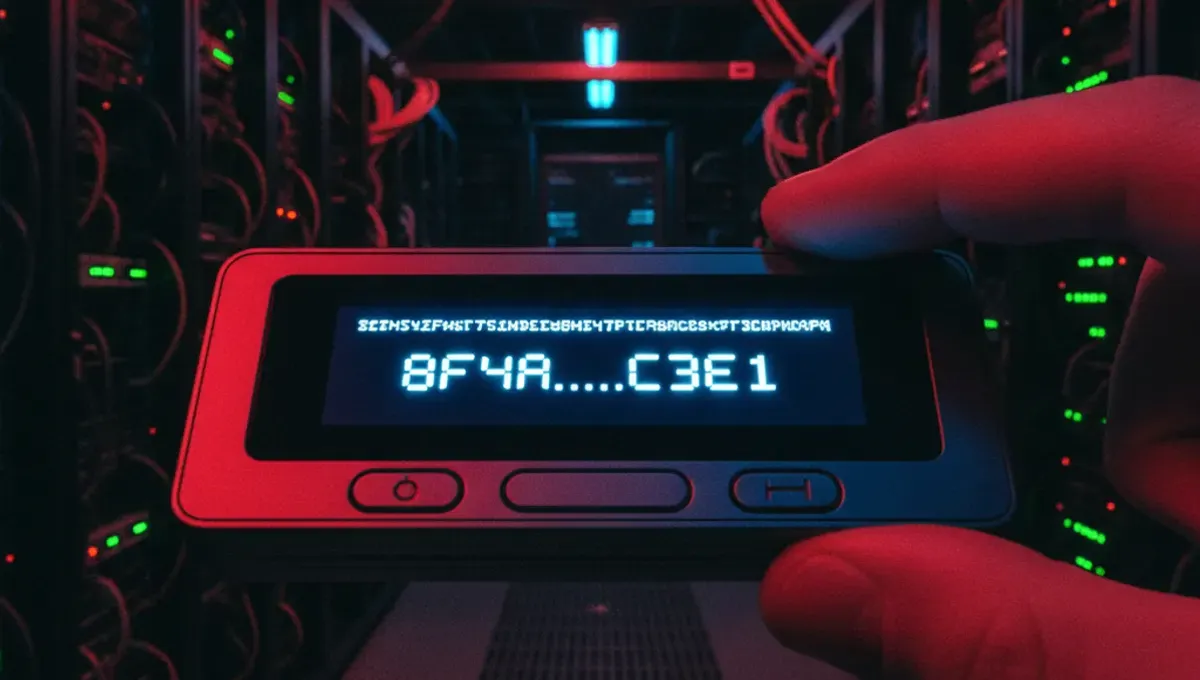
What a Deepweb Address Actually Is
A deepweb address is a Tor onion service address, formatted as a string of 56 characters followed by .onion. For example, the official Tor Project website runs at thehiddenwiki.onion (a demonstration address). These addresses are not registered through a domain registrar like regular websites. Instead, they are generated cryptographically by the Tor software itself when someone sets up an onion service.
The address serves two purposes: it routes traffic through the Tor network and it acts as a public key that allows your browser to encrypt data specifically for that service. Unlike a deepweb com website or a deepweb sites directory you might search for on Google, an onion address is designed to be accessed only through Tor Browser. Entering it into a regular browser will not work and may expose your IP address.
The length and apparent randomness of the address is intentional. It prevents casual guessing and makes it harder for someone to impersonate a service without the private key that corresponds to the address.
How Phishing Clones Exploit Deepweb Addresses
Phishing is the most common attack against onion service users. An attacker registers a new onion address and copies the layout, branding and content of a legitimate deepweb site to trick visitors into entering their username, password or cryptocurrency wallet details. Because each onion address is randomly generated, there is no way to guess the real address of a service just by looking at it.
Many users bookmark an address or save it in a text file, then return to it weeks later without checking whether it is still the correct one. If the bookmark is lost or the address is shared through an untrusted source, a phishing clone can easily intercept traffic. The attacker may also register dozens of similar-looking addresses in the hope that someone will mistype or misremember the real one.
This is why verification is not optional. A deepweb address without confirmation from an official source is just a string of characters that could belong to anyone.
How to Verify a Deepweb Address
Verification requires finding the address from an official source, not from a forum post, a chat message or a deepweb list you found online. Follow these steps:
- Visit the official website of the service (the clearnet version, if one exists) and look for a link to the onion address or a security page that lists it.
- Check for a PGP-signed announcement. Many legitimate onion services publish their address in a PGP-signed statement that you can verify using their public key.
- If the service has an official social media account or email address, contact them directly and ask for the correct address.
- Cross-reference the address on multiple independent official sources. If two sources disagree, do not visit either one until you have resolved the discrepancy.
- Once you have the address, copy and paste it directly into Tor Browser rather than typing it by hand. Typing increases the risk of a typo that lands you on a phishing clone.
- Check the security indicator in Tor Browser. A padlock icon and a green address bar indicate that the connection is encrypted and the certificate is valid.
If you cannot find an official source for the address, do not visit it. No deepweb websites directory or deepweb list is more trustworthy than the official announcement from the service itself.
Why Deepweb Addresses Are Not Listed on Google
Google and other search engines cannot index onion addresses because they do not crawl the Tor network. This is by design. The Tor Project built onion services to be private and not discoverable through conventional search. When someone searches for google deepweb or tries to find deepweb sites through a search engine, they will not find real onion addresses. They will find articles about the deep web, mirrors of old directories, and often phishing sites pretending to be directories.
This creates a trust problem. Users who are new to the deep web often assume that a deepweb com website or a deepweb list they found online is authoritative. In reality, these resources are maintained by volunteers or third parties and may contain outdated, incorrect or malicious addresses. The only reliable source for a deepweb address is the official announcement from the service operator.
Some services maintain a clearnet mirror or a static page that lists their onion address. This is more trustworthy than a third-party directory, but you should still verify the clearnet site itself before trusting the address it provides.
Reality Check: How the Ecosystem Actually Works
According to Tor Project documentation, onion services use a system called v3 addresses, which are longer and more secure than the older v2 format. Each address is derived from a public key, meaning the service operator is the only person who can receive traffic sent to that address. This is a fundamental security property, not a guarantee of legitimacy.
Law-enforcement agencies and security researchers have documented that phishing and address spoofing are routine tactics on the dark web. When a marketplace or forum is seized or shut down, scammers quickly register new onion addresses and claim to be the legitimate successor. Users who do not verify the address often lose money or credentials to these clones. This matters because it shows that the address itself is not proof of authenticity. The address is only one part of the verification process.
Another common scenario is the exit scam. A marketplace operator may run a legitimate service for months, build trust, then disappear with user funds. The address was real the entire time, but the operator was dishonest. Verification of the address does not verify the operator's intent. This is why security researchers recommend treating any onion service with caution and never depositing more than you can afford to lose.
Common Mistakes When Handling Deepweb Addresses
Mistake one: trusting an address because it appeared in multiple places. Phishing clones are often shared across forums and chat groups, so seeing the same address in multiple sources does not make it legitimate. Verify against the official source, not against other users.
Mistake two: assuming that an older address is safer. Some users believe that a deepweb address that has been around for years must be real. In fact, scammers sometimes register addresses and maintain them for a long time to build credibility before running an exit scam.
Mistake three: visiting an address without Tor Browser. If you enter an onion address into a regular browser, your IP address will be exposed to the service and to your internet service provider. This defeats the purpose of using the deep web for privacy.
Mistake four: bookmarking an address without verifying it first. If you bookmark a phishing clone, you will return to it repeatedly without realizing it is fake.
Mistake five: sharing an address you found on a deepweb list or forum without checking it. You may inadvertently spread a phishing clone to others.
Your Next Step: Verify Before You Visit
The core principle is simple: never visit a deepweb address unless you have confirmed it from an official source. This single habit will protect you from the vast majority of phishing attacks and scams on the deep web.
If you have an onion address you want to verify, start by searching for the service name plus the word official or announcement. Look for a PGP-signed statement or a link on the clearnet version of the site. If the service has a social media account, check the account creation date and the consistency of its posts. Scammers often create new accounts with similar names.
Once you have verified the address, save it in a secure location and use copy-paste to enter it into Tor Browser. Do not rely on memory or on addresses shared by other users. The few minutes you spend verifying an address now will save you from credential theft, malware or financial loss later.
Questions?
What does a deepweb address look like
A deepweb address is a .onion URL consisting of 56 random characters followed by .onion, such as example3xai4pxlq.onion. It looks nothing like a regular website address and is generated cryptographically by the Tor software. You cannot guess or predict a real onion address.
Can I find deepweb addresses on Google
No. Google and other search engines cannot index onion addresses because they do not crawl the Tor network. Searching for deepweb sites or deepweb websites on Google will return articles about the deep web, not real onion addresses. Official sources and PGP-signed announcements are the only reliable way to find a legitimate deepweb address.
How do I know if a deepweb address is real or a phishing clone
Verify the address against an official source: the clearnet website of the service, a PGP-signed announcement, or direct contact with the service operator. Copy and paste the address into Tor Browser rather than typing it. Check for a padlock icon and a green address bar. Never trust an address you found on a forum, a deepweb list or a third-party directory without independent verification.
What happens if I visit a deepweb address with a regular browser
Your IP address will be exposed to the service and to your internet service provider. Onion addresses are designed to be accessed only through Tor Browser. Using a regular browser defeats the privacy purpose of the deep web and may compromise your anonymity.
Why do deepweb websites keep changing their addresses
Services may change their onion address for security reasons, to escape phishing clones, or after a seizure or shutdown. Scammers also register new addresses and claim to be the legitimate successor to a closed service. This is why you should always verify the current address from an official source rather than relying on an old bookmark or a deepweb list.
Check the facts
- Tor Project — Official Tor browser and onion network documentation and downloads.
- Electronic Frontier Foundation (EFF) — Digital privacy advocacy and security best practices resources.
- FBI Internet Crime Complaint Center — Official reports on internet fraud, scams, and cybercrime threats.
- NIST Cybersecurity Framework — U.S. government standards for cybersecurity and risk management.
- Internet Society — Global organization promoting internet access, security, and standards.